
Tender Things
A Healing Poem for the Season of Solstice

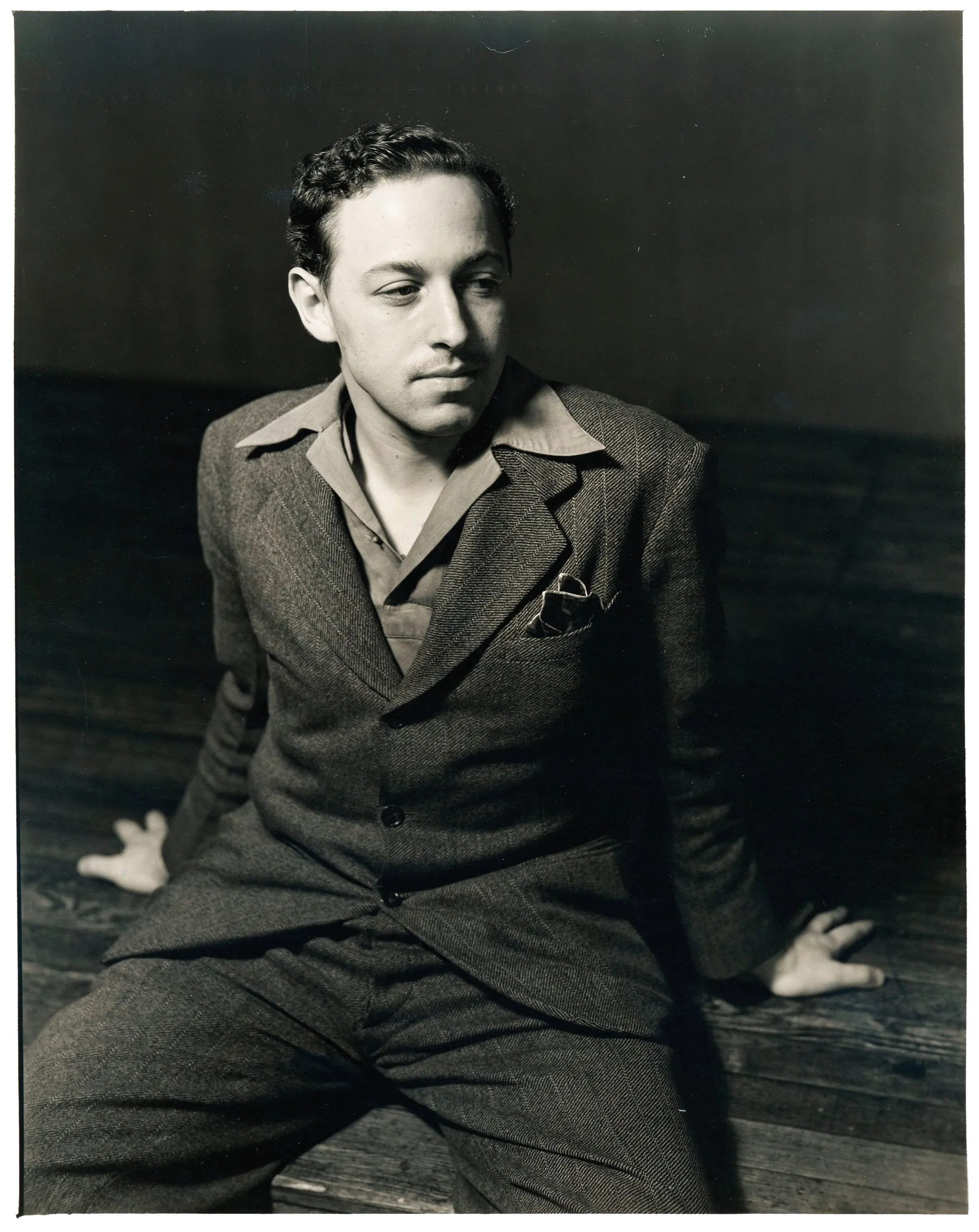
We have not long to love.
Light does not stay.
I DISCOVERED THIS TENNESSEE WILLIAMS’ POEM last month (see below). I had a hard time getting it out of my head. I put it in the poetry post outside our garden. While raking leaves, I found myself pausing to re-read it and wonder about its enigmatic voice. Do you ever have that experience, when words cast a spell you can neither explain, nor resist, nor shake? I started thinking about what the writer Dorothy Allison calls “the essential soul connection” between writers and their readers. The stuff of healing, it happens between therapists and clients too.
Over weeks of raking, as I puzzled over his lines, there were a couple things I noticed about “We have not long to love.” Single-syllable words dominate. They create iambic rhythms in the mind that resonate with our own breathing in this moment, in this century, so distant from the young Tennessee Williams, in his twenties, in the 1940s, thinking about love and ephemerality. Like those moments the poet is trying to describe, his short syllables both order our breaths and pass quickly through our minds. He’s not offering a haphazard bit of dialogue, but inviting us into a common meditation. “I” becomes “we.”
Neuroscientists describe a phenomenon called “co-regulation,” a physical mirroring that occurs in human relationships. Therapists know all about it. When two bodies sit together in space, their nervous systems resonate. Soft gazes meet, breathing synchronizes, hearts settle into a common rhythm, and quiet voices signal confidences to follow. The magic of therapy comes when a dysregulated soul shares a painful story with a therapist, and the therapist’s ability to stay grounded creates a shared emotional acceptance of what is. Something that was blocked begins to flow. Neuroscience-informed therapist Bonnie Badenoch calls this therapeutic magic “right-brain to right brain connection.” It is essential to the work.

POETRY, LIKE THERAPY, IS A GROUNDED MOMENT of connection. In therapy, two people are in the same room or maybe a virtual meeting. In poetry, the poet’s voice is inside our heads and hearts, another kind of grounding. Either way it’s bodies connecting, sometimes in the same moment, sometimes across centuries. In a violent era, we need these tender things. They are the preservation and endurance of our best selves.
“We have not long to love” says nothing about queerness, but we know so much about Tennessee Williams, that other meaning slips into our awareness, reminds us that love, for this young man, newly out in a world hostile to his gay identity, was fraught with danger. “I could but did not, reach/to touch your arm.”
Now the poem has been sitting in my poetry post for three weeks filled with heavy rains. Autumn is nearly over. The trees are nearly bare. We are talking to clients about holidays and solstice and the dark months and the new year and all the feelings. The paper holding the poem in the poetry post is damp and soggy. It melts and the poem looks like it is collapsing. “The tender things are those/ we fold away.”
POEM
We have not long to love.
Light does not stay.
The tender things are those
we fold away.
Coarse fabrics are the ones
for common wear.
In silence I have watched you
comb your hair.
Intimate the silence,
dim and warm.
I could but did not, reach
to touch your arm.
I could, but do not, break
that which is still.
(Almost the faintest whisper
would be shrill.)
So moments pass as though
they wished to stay.
We have not long to love.
A night. A day....
TENNESSEE WILLIAMS
INSPIRATIONS
My words lost any power and yet they continued to pour out of me. I still had a voice, even if only a handful would listen.
ALAA ABD EL-FATTAH
In times of great struggle, when it seems that everything is falling apart, we must remember that there is a power greater than the forces of division. The struggle for justice, for dignity, for equality, is not a fleeting moment but a long hard process, and in that process we must learn to lean on each other. The community, our shared humanity, is what gives us the strength to keep going. The world may seem broken, but it is in the healing, in the rebuilding, where hope is found. And we must keep building, together.
TONI MORRISON
I promise, I stone-
cold-promise
that the face of utter
hopelessness
is the face of something just about to change
JOSEPH FASANO
You are the sky. Everything else – it’s just the weather.
PEMA CHÖDRÖN
Remaking ourselves and those we treasure in story is our revolutionary transgression. We reach out of, and past, our isolated human bodies to the essential soul connection. We are not alone. We live in the tribe, in story, in lyric and meter and song that does not end.
DOROTHY ALLISON
In the end we will all become stories.
MARGARET ATWOOD
beautiful